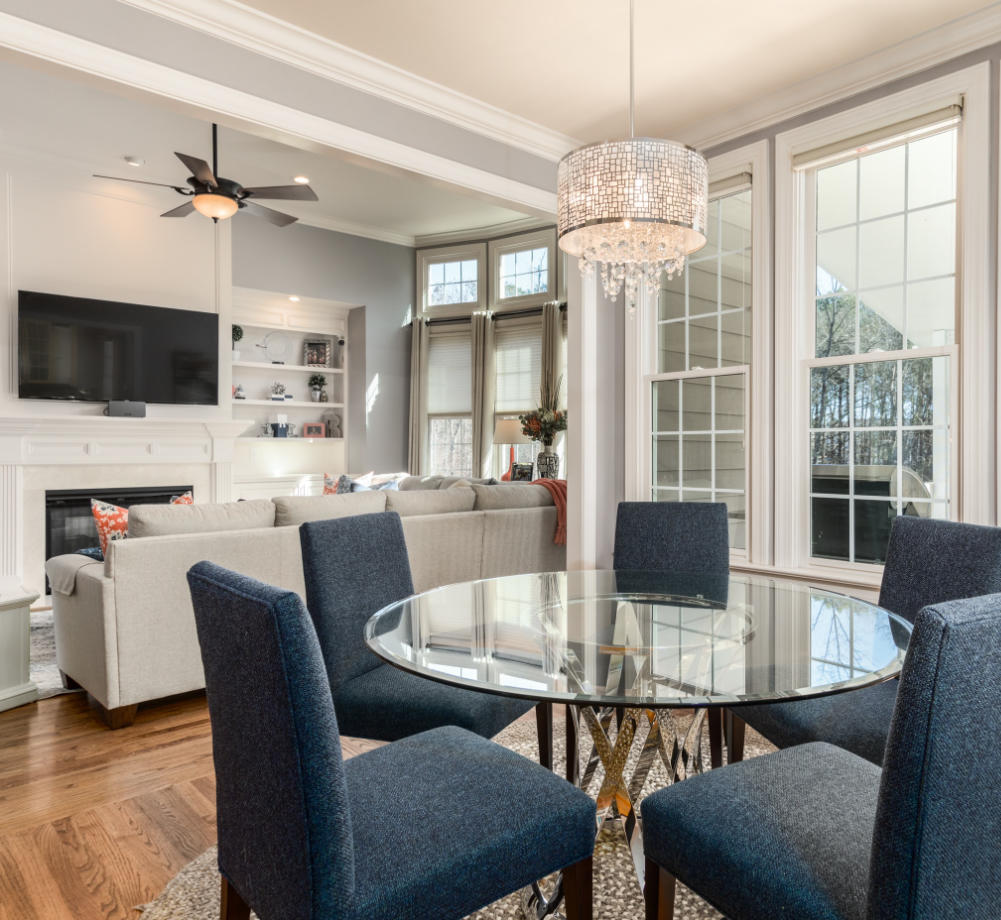

Buying your first house is an exciting time. Whether you have spent years renting or stayed at home with your parents a little longer so you could save up, it’s a big step in the next chapter in your life. Although the housing market has become an increasingly hot topic over the past few years, home ownership remains a great option for many folks.
I don’t want to see low-income and first-time buyers priced out of the market. I also don’t want them to be without their dream home. Affordable housing is still possible, and I have put together five helpful tips if you, as a first-timer, are shopping around. Let’s get started.
5 Actionable Tips for Low-Income First-Time Homebuyers
1. Ensure Your Finances Are in Order
For many, buying a house feels like a rite of passage. Putting down your roots and having room to grow is a great feeling. It’s a step that shouldn’t be taken lightly, however, as the responsibilities of homeownership are no joke! That’s why I encourage all buyers to ensure that their finances are in a good place before taking the leap.
Beyond saving for your down payment, sit down and budget out your monthly expenses.
- What will you have to start paying for once you own a home?
- If you have debt, which is completely normal, is your credit score good?
- Will paying for a mortgage cause your debt repayment plan to slip through the cracks?
It’s important to ask yourself the hard questions. If you are struggling to answer them, I’m happy to review things with you and provide suggestions on how your dream of owning a home can become a reality.
2. Don’t Skip Pre-Approval
On that note, saving for a down payment can be a lengthy process. Once you decide on a comfortable amount you can save, your next step could be making an appointment to see if you prequalify for a mortgage. This process evaluates your financial situation to see how much the bank is willing to loan you.
As a mortgage broker, I can take you through the steps by reviewing your:
- Income
- Credit score
- Debt load
During this time, you will also need to specify your down payment, which will help determine the interest rate and term of your mortgage. This is a great tool to help you budget in advance and see how much it could cost you every month. It also might help you decide if you want to save a bigger down payment to cut back on monthly payments.
Paying 20% or more down means you don’t need CMHC mortgage insurance, which can help reduce your overall monthly costs.
3. Take Advantage of Government Programs
This might seem a bit obvious, but I can’t stress how helpful these programs can be to home buyers. The federal and provincial governments have worked to reduce the barriers to homeownership, and some municipal programs also exist, depending on where you plan on living.
For example, the Ontario provincial government offers first-time buyers a land transfer tax refund up to the full amount that they paid for their home. As long as your home is your principal residence for nine months within the date the land was transferred, you are eligible for a refund of up to $4,000.
If you are looking at purchasing a home somewhere in Ontario, I am well-versed in municipal programs that help buyers out in such ways.
4. Make a List

After watching plenty of HGTV shows and house tours on YouTube, you probably have a good idea of what you want your house to look like, inside and out. While these shows are helpful when it comes to finding your aesthetic, most places you look at will likely need a bit of TLC to get there.
I recommend creating a list of needs, separating them from “nice to haves”. This will help narrow down your choices to a home you can not only afford, but that fits your lifestyle.
Remember, those less important aesthetic improvements and even some renovations can wait. Maybe you have a dog as well, in which case a fenced-in yard is likely a must, or you are determined to have a shorter commute. Deciding on dealbreakers early will help to ensure you don’t fall in love with a home that isn’t a realistic option at the moment.
5. Work With an Experienced Mortgage Broker
As a first-time home buyer, chances are that you’re going to have plenty of questions when it comes to mortgages and what you can afford. Personally, I love questions, along with helping people find solutions that work for them.
Brokers such as myself not only simplify and streamline the process, but we also have connections to some excellent lenders. Plus, we take the guesswork out of terms and paperwork that many homeowners might not understand. This is likely the biggest purchase of your life; you don’t want to feel lost in the shuffle.
My years of experience mean that I have dealt with buyers in all kinds of situations, and there is nothing I love more than delivering the best option that works for you. So, if you are looking to buy your first home, consider connecting with me to help you get started on the right foot!
Frequently Asked Questions from Low-Income First-Time Buyers

Can I get a mortgage if I have a low income?
Yes, obtaining a mortgage with a low income is possible; however, it may require some extra effort and planning. When reviewing your mortgage application, lenders will assess your overall ability to repay the loan. This means that aside from income, they will also consider your down payment, debt, credit score, and other factors.
To increase your chances of getting a mortgage with a low income, you may want to:
- Increase your down payment
- Work on improving your credit score
- Get a co-signer
- Utilize government programs like the Home Buyers Plan or the Home Buyers Assistance Program
- Apply for a mortgage with an alternative lender who may offer more flexible qualifying criteria
If you have a low income, your best bet at securing a mortgage is working with an experienced mortgage broker. I would be happy to walk you through your options, help you understand what lenders are looking for, and connect you with programs or lenders that are more flexible with income requirements.
Does the Canadian government help first-time home buyers?
There are several government programs in Canada intended to help first-time home buyers:
- Home Buyers’ Plan (HBP): allows home buyers to withdraw up to $60,000 (per person) from their RRSP tax-free to buy or build a qualifying home. A couple could withdraw up to $120,000 combined. In either case, the requirement is to repay the amount within 15 years.
- First Home Savings Account (FHSA): enables home buyers to save up to $40,000 tax-free for a down payment on the first home, with annual contribution limits of $8,000.
- Home Buyers’ Tax Credit (HBTC): enables first-time homebuyers to claim a non-refundable tax credit of up to $1,500 on their taxes.
- GST/HST New Housing Rebate: a rebate on the GST/HST paid on the purchase of a new home, available to those purchasing a newly built home as their principal residence, depending on the price.
How much do most first-time home buyers put down?
In Canada, the minimum down payment for all home buyers is determined by the purchase price of the home. For properties that cost up to $500,000, the minimum down payment is 5%. For homes that cost between $500,000 and $1.5 million, the minimum down payment is 5% on the first $500,000 and 10% on the amount above that. For homes that cost $1.5 million or above, the minimum down payment is 20%
For example, if you’re buying a $700,000 home, the minimum down payment would be:
5% of $500,000 = $25,000
10% of $200,000 = $20,000
Total minimum down payment = $45,000
While these are the minimums, many first-time buyers aim to save more to reduce monthly mortgage payments or avoid mortgage default insurance, which is required if your down payment is less than 20%.
How to buy a house with a low income in Canada?

Buying a house with a low income in Canada can be challenging, but it’s possible with the right strategy and support from an experienced mortgage broker. When working with low-income applicants, I typically recommend that they:
- Focus on paying off or consolidating other debts and building a credit score before applying for a mortgage
- Take advantage of any relevant government assistance programs
- Spend time saving for a larger down payment
- Consider getting a co-signer on the mortgage application
- Seek financial support from friends and family if needed
- Work with a real estate agent experienced in helping first-time home buyers or those on a budget
What is the lowest income to qualify for a house?
There’s no single “lowest income” that automatically qualifies for a house in Canada. The income required to get a mortgage depends on several factors, including the price of the house, your down payment, your other debts, your credit score, and current interest rates.
While some data suggests a household income of around $152,000 is needed to afford the average home in Canada, that doesn’t mean lower-income households can’t buy. It depends heavily on your location, debt load, down payment, and the type of home you’re buying.
Recent Posts

Andrew Thake is a seasoned mortgage broker with over 15 years of industry experience. He’s assisted more than 2,200 clients in finding their ideal mortgage solutions. Recognized for his excellence, Andrew has received high honours and awards, including the National Rookie of the Year from TD Canada Trust and recognition as a Top 10 Ottawa Mortgage Broker in 2023. He has also been inducted into the Hall of Fame at Dominion Lending Centres and has consistently received their Platinum Award during his tenure as a mortgage broker.
Andrew’s dedication lies in serving his clients and prioritizing their needs with an empathetic approach. Throughout the application process, he provides tailored, informed, and efficient services to ensure the best mortgage solutions for his client’s unique circumstances. The best part of Andrew’s job is when he gets to see the joy on his clients’ faces following their mortgage approval.